Why Talent Intelligence is the Secret Weapon for Competitive Advantage
Introduction
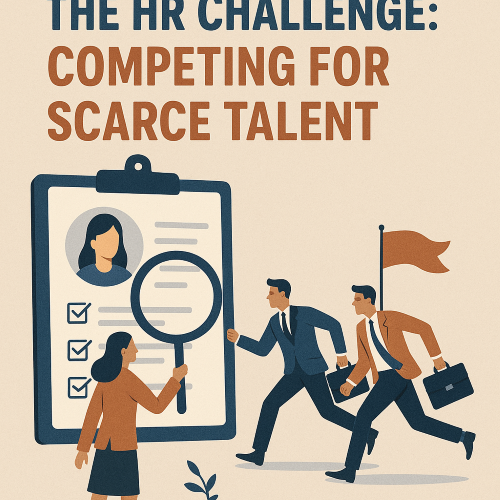
In today’s fast-moving world of pharma, biotech, MedTech, and clinical research, having the right people in the right roles isn’t just important—it’s mission-critical. The challenge? The competition for top talent has never been fiercer. Companies are chasing the same specialized candidates, timelines for hiring are shrinking, and skill shortages are widening across the globe.
This is where Talent Intelligence (TI) comes in. More than just a buzzword, Talent Intelligence provides the insights companies need to anticipate workforce trends, outmaneuver competitors, and make smarter hiring decisions.
At Talentverve HR Consulting, we view Talent Intelligence as the secret weapon that helps our clients win the talent war before it even begins. In this blog, we’ll explore what Talent Intelligence is, why it matters, and how it shapes the future of recruitment in life sciences.
1. What Exactly is Talent Intelligence?
Talent Intelligence is the process of gathering and analyzing data-driven insights about the workforce, skills availability, compensation trends, and competitor hiring strategies.
Think of it as market intelligence, but focused on people. It helps organizations answer critical questions such as:
- Where can I find the talent I need most?
- What skills are in short supply in my sector?
- How are my competitors attracting and retaining talent?
- What compensation and benefits packages will win top candidates?
- What future skills should I be building pipelines for today?
Talent Intelligence turns recruitment from reactive firefighting into proactive strategy.
2. Why Talent Intelligence Matters in Pharma & Biotech
Life sciences industries are unique. Developing a drug, device, or therapy can take years of research, billions in investment, and strict regulatory oversight. A single workforce gap can delay trials, impact compliance, or derail a product launch.
Some key reasons why TI is vital here:
- Scarcity of Skills: Bioinformatics experts, AI scientists, GMP specialists, and regulatory leaders are in limited supply.
- Global Competition: Candidates are being targeted not just by pharma and biotech, but also by tech, healthcare, and academia.
- Evolving Roles: New jobs (e.g., digital trial managers, AI drug discovery scientists) are emerging faster than universities can train people.
- High Stakes: Delays in trials or manufacturing due to staffing gaps can cost millions in lost revenue and missed opportunities.
Talent Intelligence helps companies predict shortages before they hurt operations, and secure talent pipelines early.
3. The Components of Talent Intelligence
Effective Talent Intelligence covers several layers of insights:
- Talent Mapping
- Where are the skills concentrated (geography, universities, industries)?
- Example: Identifying clusters of biologics manufacturing experts in regions like Hyderabad or Boston.
- Competitor Benchmarking
- How are competitors structuring teams?
- What compensation and benefits are they offering?
- Where are they hiring from?
- Skill Gap Analysis
- Which roles will be critical in the next 5–10 years?
- Are there enough candidates available, or should companies invest in training pipelines?
- Compensation & Benefits Insights
- What salary ranges attract talent in different markets?
- What perks (flexibility, global exposure, remote work) influence decisions?
- Workforce Trends
- Hybrid working preferences, contract vs. permanent roles, employee mobility.
- Example: A surge in demand for decentralized trial specialists post-pandemic.
4. How Talent Intelligence Translates into Competitive Advantage
Talent Intelligence isn’t just about data—it’s about actionable strategy. Here’s how it gives companies the edge:
- Faster Hiring: Knowing where talent pools exist cuts time-to-hire dramatically.
- Better Retention: Insights into what motivates candidates (career growth, flexibility, salary) help reduce turnover.
- Cost Savings: Anticipating shortages allows early recruitment, avoiding last-minute premium hiring costs.
- Smarter Global Expansion: Companies entering new geographies can plan workforce strategies in advance.
- Future-Proofing: Building talent pipelines for emerging roles ensures companies aren’t caught unprepared.
Talent Intelligence shifts recruitment from guesswork to precision.
5. Examples of Talent Intelligence in Action
Example 1: Biotech Startup Scaling Quickly
A biotech firm entering Phase II trials needed niche bioinformatics experts but found the talent pool limited. Using Talent Intelligence, they identified alternative hubs in Europe and set up a remote-first hiring strategy. Result: they scaled without delays.
Example 2: CDMO Expanding Manufacturing
A CDMO investing in sterile injectables faced competition for GMP-trained engineers. Talent Intelligence revealed that partnering with specific academic institutions could create a pipeline of trained graduates. They secured talent faster than competitors.
Example 3: Global Pharma Entering India
Before setting up operations, a global pharma player used TI to analyze salary benchmarks and competitor hiring in Indian hubs like Pune and Hyderabad. This helped them launch with competitive packages and faster market entry.
6. The Role of HR Consulting Firms in Talent Intelligence
Not every company has the resources to build in-house TI teams. That’s where specialist HR consultancies like Talentverve add value.
We provide:
- Real-Time Market Mapping – understanding talent availability across regions.
- Competitor Insights – who they’re hiring, where they’re hiring, and at what cost.
- Compensation Benchmarking – ensuring offers are competitive but sustainable.
- Predictive Hiring Strategies – anticipating tomorrow’s needs today.
- Tailored Recruitment Models – contract, direct hire, or executive search backed by TI.
By combining deep industry knowledge with data-driven intelligence, we give our clients the clarity and confidence to act ahead of the market.
7. Talent Intelligence & The Future of Work
Looking ahead, Talent Intelligence will become even more critical as:
- AI & Automation reshape roles, creating new demand for hybrid skillsets.
- Remote Work expands global talent pools but also intensifies competition.
- Sustainability & ESG push companies to hire for ethical, inclusive growth.
- Lifelong Learning makes upskilling and reskilling part of the recruitment conversation.
Companies that embed Talent Intelligence into their hiring strategies will be the ones shaping—not chasing—the future workforce.
8. How Talentverve HR Consulting Helps Clients Win with Talent Intelligence
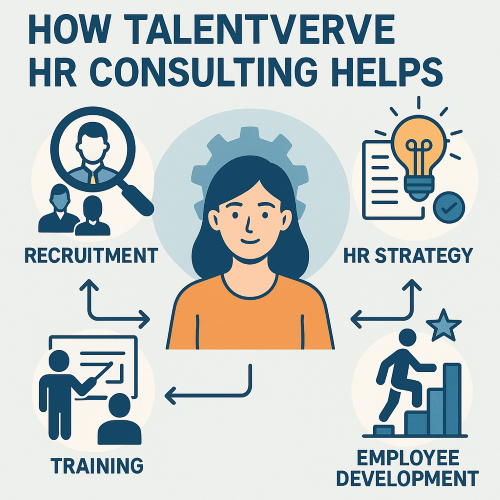
At Talentverve, we integrate Talent Intelligence into every stage of recruitment:
- We map the market before a role opens, ensuring clients know where to hire.
- We benchmark compensation, ensuring offers are competitive.
- We track competitor activity, giving clients an advantage.
- We advise on workforce models, balancing contract and permanent needs.
- We future-proof hiring, building pipelines for roles that don’t even exist yet.
Our goal: to ensure our clients are always one step ahead in the talent game.
Conclusion
In an industry where delays cost millions and innovation moves at lightning speed, Talent Intelligence is not optional—it’s essential. It transforms recruitment from reactive hiring into proactive workforce strategy.
At Talentverve HR Consulting, we see Talent Intelligence as more than a service—it’s our commitment to helping clients secure the people who shape the future of healthcare and life sciences.
Talent Intelligence isn’t the future of hiring—it’s the present. And those who embrace it will lead the industries of tomorrow.