
Contract vs. Permanent Hiring in Clinical Research: What’s Right for You?
Introduction
Clinical research is the backbone of modern healthcare innovation, bridging the gap between laboratory discoveries and real-world patient outcomes. But behind every successful clinical trial is a workforce of researchers, coordinators, project managers, and regulatory specialists who ensure compliance, quality, and speed.
For Clinical Research Organizations (CROs), Site Management Organizations (SMOs), and pharmaceutical sponsors, a critical decision often arises: should we hire permanent employees or rely on contract staff?
Each model comes with its own advantages, risks, and financial implications. At Talentverve HR Consulting, we help life sciences organizations design the right workforce strategy. This blog explores the differences between contract and permanent hiring, their pros and cons, and how to decide which model fits your clinical operations best.
1. The Growing Workforce Challenge in Clinical Research
The demand for clinical research talent is skyrocketing. A surge in decentralized trials, rare disease studies, and digital health innovations has created a talent war. Yet, organizations face:
- Tight Deadlines: Sponsors push CROs to deliver faster trial results.
- Global Complexity: Multicountry studies require localized expertise.
- Budget Constraints: Cost efficiency is always under scrutiny.
- High Attrition: Skilled CRAs (Clinical Research Associates) and project managers are in constant demand, making retention tough.
Against this backdrop, choosing the right hiring model becomes a strategic decision.
2. Permanent Hiring in Clinical Research
What It Means
Permanent employees are on the company’s payroll, working long-term with benefits, career paths, and deeper integration into the organization.
Advantages
- Stability and Commitment: Permanent staff bring continuity across studies and projects.
- Institutional Knowledge: Employees build expertise in company-specific processes, SOPs, and culture.
- Stronger Engagement: With clear growth paths, permanent staff are more invested in long-term success.
- Employer Branding: Attracting and retaining talent is easier when offering stable roles.
Challenges
- Higher Fixed Costs: Salaries, benefits, and training investments increase overhead.
- Less Flexibility: Permanent teams may be underutilized during trial slowdowns.
- Longer Recruitment Cycles: Permanent roles often take longer to fill due to higher candidate expectations.
Best suited for: core operational roles such as senior CRAs, regulatory leads, quality assurance, and project managers.
3. Contract Hiring in Clinical Research
What It Means
Contract staff are hired for a fixed term or specific project. They may work directly under the organization or through a staffing partner.
Advantages
- Flexibility: Scale teams up or down based on project demand.
- Specialized Expertise: Contractors bring niche skills for short-term needs (e.g., oncology trial experience).
- Cost Efficiency: No long-term benefits or commitments—pay only for project duration.
- Faster Hiring: Contractors are often available immediately, reducing delays.
Challenges
- Knowledge Drain: Contractors leave with valuable know-how once contracts end.
- Lower Engagement: Short-term staff may feel less invested in company culture.
- Regulatory Risks: Inadequate oversight of contractors can lead to compliance gaps.
- High Turnover: Dependence on external staff can create instability.
👉 Best suited for: project-specific needs, seasonal spikes in workload, or when entering new geographic regions.
4. Key Roles: Contract vs. Permanent Fit
- Permanent Roles:
- Clinical Project Managers
- Senior CRAs
- Regulatory Affairs Leaders
- Pharmacovigilance Experts
- Quality Assurance Managers
- Contract Roles:
- Trial Monitors (for short phases of studies)
- Biostatisticians for niche projects
- Medical Writers for specific regulatory submissions
- Site Coordinators for multicountry studies
- Data Managers during peak analysis periods
A hybrid workforce model often delivers the best results.
5. Financial Considerations
- Permanent Hiring Costs: Salary + benefits + training + infrastructure. While costlier upfront, permanent employees contribute to long-term efficiency.
- Contract Hiring Costs: Higher hourly/day rates, but limited to project duration. Contractors reduce overhead but may require constant onboarding and replacement.
Example:
- Hiring a permanent CRA may cost more annually but ensures retention across multiple trials.
- Hiring a contract CRA may save costs for a short study but requires retraining for future projects.
6. Case Study: Balancing Contract and Permanent Teams
A mid-size CRO managing oncology and rare disease trials faced staffing bottlenecks. Permanent CRAs were overloaded, while new projects demanded specialized expertise.
Talentverve designed a hybrid model:
- Maintained permanent staff for core roles (regulatory, QA, senior project managers).
- Brought in contract CRAs and biostatisticians for oncology studies.
- Used workforce transition planning to move contractors into permanent roles where appropriate.
Result: The CRO reduced delays by 30%, improved trial oversight, and gained budget flexibility.
7. How to Decide: Contract vs. Permanent
When choosing a model, ask:
- What is the project duration? Short-term → contract; long-term pipeline → permanent.
- Do we need niche expertise or general capacity? Niche → contract; core functions → permanent.
- What’s our budget flexibility? Limited funds → contract; stable growth → permanent.
- How critical is knowledge retention? High → permanent; low → contract.
The right answer often lies in a blended model.
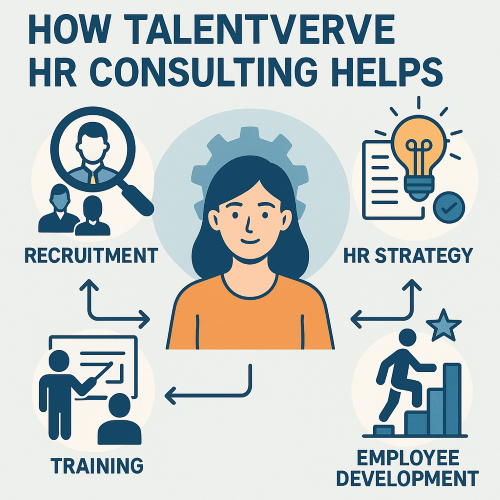
8. The Talentverve Advantage
At Talentverve HR Consulting, we help clients in clinical research strike the right balance by offering:
- Contract Staffing Solutions: Quick access to pre-vetted clinical talent.
- Permanent Recruitment: Building long-term, stable teams for core roles.
- Hybrid Workforce Models: Tailored mixes of contract and permanent staff.
- Talent Intelligence: Insights on availability, compensation benchmarks, and competitor strategies.
- Workforce Transition Support: Moving contract talent into permanent pipelines when beneficial.
Our expertise ensures that workforce planning aligns with both operational needs and financial realities.
Conclusion
In clinical research, where timelines, compliance, and patient outcomes are critical, the right workforce model can make or break success.
- Permanent hires provide stability, institutional knowledge, and leadership.
- Contract hires deliver agility, niche expertise, and cost flexibility.
- A hybrid approach often gives organizations the best of both worlds.
At Talentverve HR Consulting, we go beyond recruitment—we act as strategic partners, helping CROs, SMOs, and pharma sponsors build resilient, adaptable teams that keep clinical programs on track.
Whether you need speed, stability, or both, the key is agility. Let’s design the right workforce strategy for your clinical research needs.