
Building Agile Teams in MedTech: Recruitment Strategies for Fast-Growing Startups
Introduction
The MedTech industry is one of the fastest-growing sectors in healthcare, with innovations ranging from AI-driven diagnostics and wearable health trackers to robotic surgery systems and digital health platforms. For startups, this presents enormous opportunities—but also unique challenges.
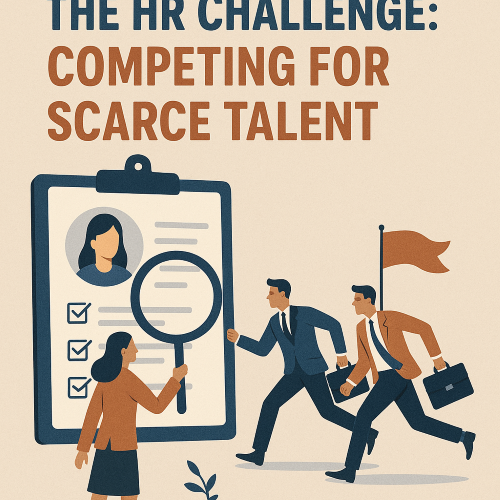
Unlike established corporations, MedTech startups must scale quickly, compete with larger players for scarce talent, and remain agile to survive in a competitive market. The right people can mean the difference between bringing a breakthrough product to market on time or falling behind competitors.
At Talentverve HR Consulting, we specialize in helping MedTech startups build agile, future-ready teams. This blog explores the key hiring challenges MedTech startups face and the strategies that enable them to scale smarter, not just faster.
1. Why MedTech Startups Struggle with Recruitment
MedTech startups operate in a unique environment where speed, innovation, and compliance must align. Yet, hiring often becomes their biggest bottleneck. Common challenges include:
- Competition for Niche Talent: Larger MedTech and pharma companies attract the same engineers, regulatory experts, and clinical professionals.
- Budget Constraints: Startups can’t always match the salary packages of multinational corporations.
- Unclear Hiring Priorities: With shifting business needs, startups often struggle to decide which roles to prioritize first.
- Regulatory Complexity: Hiring staff without regulatory experience risks product delays or compliance issues.
- High Attrition Risk: Startups with unclear growth paths often lose candidates to more stable employers.
MedTech startups must balance speed with strategy, building agile teams that can adapt to evolving demands.
2. Defining an Agile MedTech Team
Agility isn’t just about working fast—it’s about building cross-functional teams that can pivot quickly as projects evolve. An agile MedTech team includes:
- Core Innovators: Biomedical engineers, product designers, R&D scientists.
- Compliance Anchors: Regulatory affairs specialists, quality assurance managers.
- Execution Drivers: Manufacturing engineers, supply chain planners, process validation experts.
- Commercial Catalysts: Market access strategists, sales leaders, product launch managers.
- Flexible Support: Contract staff and consultants for short-term or project-specific needs.
Agile teams don’t just fill gaps—they create flexibility and resilience for startups navigating growth.
3. Recruitment Strategies for Fast-Growing MedTech Startups
a) Prioritize “Critical First Hires”
Not every role needs to be filled immediately. Startups must identify critical hires that directly influence product development and compliance.
- Early-stage: engineers, R&D staff, regulatory specialists.
- Growth stage: manufacturing talent, clinical affairs, supply chain.
- Commercial stage: sales leaders, reimbursement experts, market access professionals.
b) Use Flexible Hiring Models
Permanent hires are essential for stability, but startups should also leverage:
- Contract-to-Hire Staff: Reduces risk while assessing fit.
- Specialist Consultants: Fill urgent gaps (e.g., MDR compliance).
- Freelancers/Remote Experts: Access talent without location restrictions.
c) Build Employer Branding Early
Startups often underestimate the power of branding in recruitment. Highlighting mission-driven impact (e.g., “improving lives through innovation”) attracts talent motivated by purpose, not just salary.
d) Partner with Specialized Recruiters
General recruitment agencies may not understand MedTech nuances. Partnering with life sciences-focused firms like Talentverve ensures access to niche, pre-vetted candidates.
e) Plan for Scalability, Not Just Urgency
Hiring reactively leads to mismatched teams. Agile recruitment focuses on scalable pipelines, anticipating roles needed six to twelve months ahead.
4. Key Roles in Demand for MedTech Startups
Based on industry trends, the following profiles are in highest demand for MedTech startups:
- Biomedical & Mechanical Engineers – to design and prototype devices.
- Regulatory Affairs Specialists – with expertise in MDR, FDA, and CE compliance.
- Clinical Affairs Managers – ensuring successful trials and evidence generation.
- Quality & Validation Engineers – maintaining ISO standards and product reliability.
- Digital Health Specialists – combining MedTech with software and AI expertise.
- Commercial Leaders – launching products and securing reimbursement pathways.
These roles often determine whether a startup secures funding, passes regulatory hurdles, or achieves market entry.
5. Case Study: Building an Agile MedTech Team
A European MedTech startup developing a wearable cardiac monitoring device faced hiring challenges. They needed regulatory experts, engineers, and a clinical project manager—all within six months to meet investor deadlines.
Talentverve provided:
- Talent Intelligence: Mapping available candidates across EU hubs.
- Flexible Hiring Models: Contract-based clinical staff and permanent regulatory leaders.
- Employer Branding Support: Positioning the startup as an “innovation-first” company to attract purpose-driven engineers.
Result: The startup built a hybrid team of permanent and contract staff, secured CE mark approval on time, and accelerated its market entry.
6. The Role of Talent Intelligence in MedTech Hiring
For startups, every hire is high-stakes. Talent Intelligence helps by:
- Identifying geographic hubs with niche talent (e.g., Ireland for manufacturing, Boston for R&D).
- Benchmarking compensation packages against larger competitors.
- Forecasting skill shortages and building early pipelines.
With Talent Intelligence, startups can compete strategically, even on limited budgets.
7. How Talentverve HR Consulting Helps MedTech Startups Scale
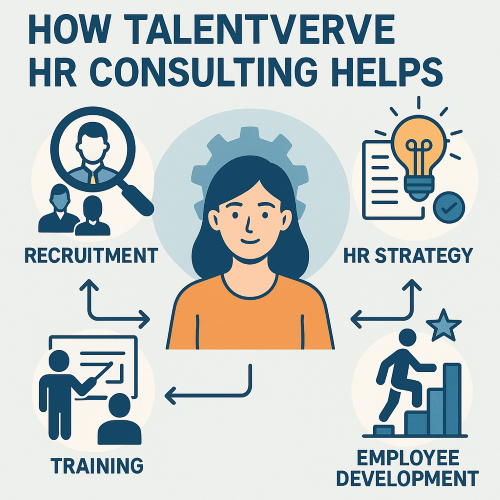
At Talentverve, we tailor recruitment solutions for MedTech startups at every stage:
- Early-Stage Advisory: Identifying critical first hires and building role priorities.
- Flexible Staffing Models: Blending contract, freelance, and permanent hiring.
- Niche Talent Access: Leveraging our life sciences network for specialized candidates.
- Employer Branding Support: Positioning startups as mission-driven employers of choice.
- Future-Ready Hiring: Anticipating next-stage growth roles (clinical, manufacturing, commercial).
By aligning hiring strategies with business growth, we help startups avoid bottlenecks and stay investor-ready.
Conclusion
MedTech startups face one of the most exciting—but also most challenging—talent landscapes in healthcare. Building agile teams isn’t just about speed—it’s about creating flexibility, scalability, and resilience.
With the right recruitment strategies—prioritizing critical hires, leveraging flexible staffing, and using Talent Intelligence—startups can scale smarter, meet regulatory milestones, and bring groundbreaking innovations to market.
At Talentverve HR Consulting, we’re committed to being the partner that helps MedTech innovators build the teams powering tomorrow’s healthcare solutions.
Agility isn’t just about technology—it’s about people. Let’s build your MedTech team the smart way.